
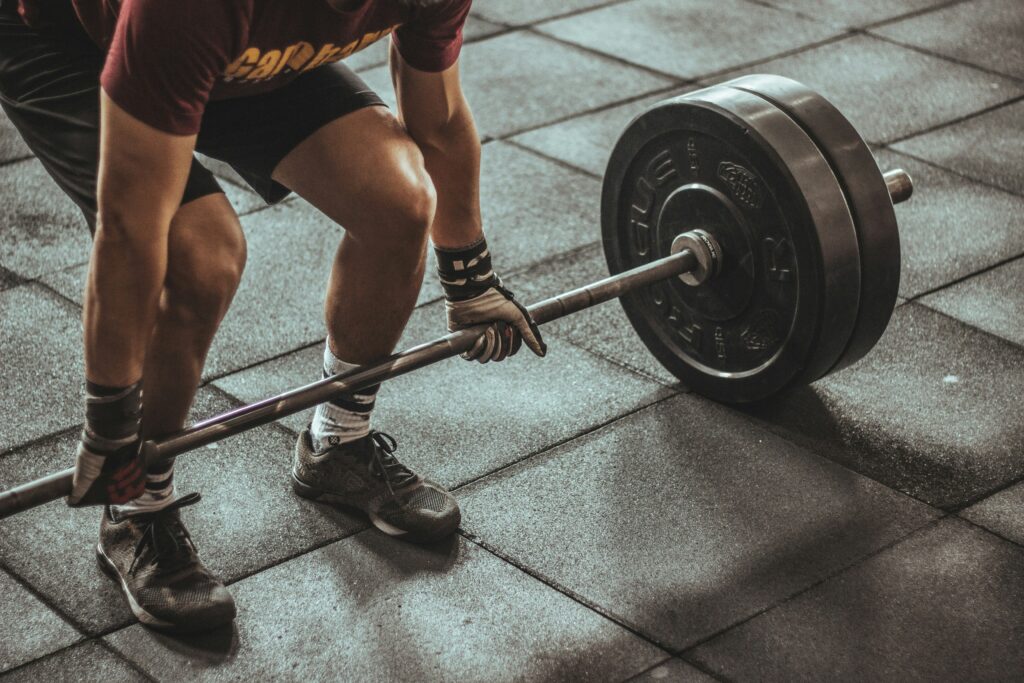
How exercise affects your sleep is one of the most common questions people ask when trying to improve their overall wellness. If you’ve ever noticed that you sleep better after a day of physical activity, you’re not imagining it – there’s real science behind that feeling. The connection between movement and rest goes far deeper than just being “tired out.” Exercise can help regulate your body’s internal clock, balance hormones, reduce stress, and even enhance deep sleep cycles.
In this post, we’ll explore how exercise affects your sleep in detail – from the biological mechanisms that help you fall asleep faster to the best times and types of workouts for better rest. You’ll also learn practical, science-backed tips to make the most of your fitness routine for optimal sleep quality.
1. Exercise Helps Regulate Your Sleep-Wake Cycle
One of the main ways exercise affects your sleep is by synchronizing your body’s internal clock – known as your circadian rhythm. This rhythm determines when you feel awake and when your body is ready for rest.
Physical activity, especially done in the morning or early afternoon, helps reinforce these natural rhythms. According to research published in Sleep Medicine Reviews, consistent exercise promotes more stable circadian patterns, leading to improved sleep onset and duration.
Here’s why that matters:
- Morning workouts help signal your brain to produce cortisol (your “wake-up” hormone) earlier in the day.
- Evening melatonin production then occurs naturally at bedtime, helping you wind down.
- Over time, your sleep becomes deeper and more consistent.
In short, moving your body helps your internal clock function smoothly – so you feel more alert during the day and naturally sleepy at night.

2. Physical Activity Reduces Stress and Anxiety
Stress and anxiety are two of the biggest enemies of good sleep. When your mind races or your body stays tense, falling asleep can feel impossible. Exercise helps counteract this by lowering stress hormones like cortisol and adrenaline, while increasing endorphins – the body’s natural mood elevators.
A 2017 study in The Lancet Psychiatry found that people who exercised regularly reported 43% fewer poor mental health days compared to those who didn’t. These emotional benefits extend to sleep quality as well.
Key things to know:
- Moderate aerobic activity, such as brisk walking or cycling, can calm your nervous system.
- Yoga and Pilates improve relaxation and reduce muscle tension.
- Resistance training improves body confidence and mental resilience, helping your mind relax before bed.
By easing your stress response, exercise creates a calm, balanced mental state – making it easier to drift into deep, restorative sleep each night.
3. Exercise Promotes Deeper, More Restorative Sleep Stages
Another crucial way exercise affects your sleep is by enhancing the quality of your rest, not just the quantity. Studies show that active individuals spend more time in slow-wave sleep (SWS) – the deep sleep stage where your body repairs tissue, strengthens the immune system, and consolidates memories.
According to research in the Journal of Sleep Research, moderate-intensity workouts can increase slow-wave sleep by up to 20%, especially when performed regularly. This type of rest is vital for physical recovery, hormone regulation, and energy renewal.
Key takeaways:
- Aerobic activities like running, swimming, or dancing promote deeper sleep cycles.
- Strength training boosts muscle repair and triggers growth hormone release during sleep.
- Deep sleep helps you wake feeling refreshed and mentally sharp.
In essence, the harder (but smarter) you train during the day, the more rejuvenated you’ll feel the next morning.

4. The Best Time of Day to Exercise for Better Sleep
Timing matters when it comes to how exercise affects your sleep. While physical activity is beneficial almost anytime, when you work out can influence how quickly you fall asleep and how deeply you rest.
Morning and afternoon workouts are generally best for promoting better sleep. Exercise during these hours raises your core body temperature and energy levels, which then naturally drop later in the day – signaling your body that it’s time to sleep.
However, late-night high-intensity workouts may have mixed effects:
- They can raise heart rate and adrenaline, making it harder to wind down.
- But light evening exercise like stretching, yoga, or walking can actually help you relax.
If you enjoy nighttime workouts, give yourself at least 2–3 hours before bedtime to cool down. Everyone’s rhythm is different, so track how your body responds and adjust your routine accordingly.
5. Exercise Helps Regulate Hormones Linked to Sleep
Your hormones play a key role in how well you sleep – and exercise directly influences many of them. Regular physical activity helps balance melatonin, serotonin, and cortisol, all of which affect your sleep patterns.
Here’s how:
- Melatonin: Exercise supports its natural evening release, helping you fall asleep faster.
- Serotonin: Increased during exercise, it later converts into melatonin, aiding restful sleep.
- Cortisol: High-intensity workouts can raise cortisol temporarily, but regular exercise lowers its overall baseline, reducing nighttime restlessness.
According to a 2020 study in the Journal of Endocrinology and Metabolism, consistent exercise improves hormonal balance and reduces the likelihood of insomnia and fragmented sleep.
The result? A smoother hormonal rhythm that promotes both relaxation and energy balance – key ingredients for healthy sleep.
6. The Best Types of Exercise for Better Sleep
Not all workouts affect your sleep in the same way. Understanding the best forms of exercise for your goals can make a big difference in your rest quality.
Here are top exercise types proven to help:
- Aerobic Exercise – Activities like jogging, swimming, or brisk walking are linked to better sleep quality and fewer nighttime awakenings.
- Strength Training – Builds muscle, enhances metabolism, and promotes deep recovery sleep.
- Yoga and Stretching – Reduces muscle tension and activates the parasympathetic nervous system for relaxation.
- Mind-Body Workouts – Tai chi and qigong lower stress hormones and improve overall sleep efficiency.
Try mixing these throughout your week for balance. Consistency matters more than intensity – aim for 30 minutes a day, five times a week, to see real changes in how exercise affects your sleep.
Commonly asked questions
1. How long before bed should I stop exercising?
It’s best to finish intense workouts at least 2–3 hours before bedtime to allow your heart rate, temperature, and adrenaline levels to return to normal. Light yoga or stretching closer to bedtime is fine and can even help you relax.
2. Can too much exercise harm my sleep?
Yes. Overtraining can raise cortisol levels and increase fatigue or insomnia. Balance high-intensity sessions with recovery days and prioritize rest when you feel run down.
3. What if I can’t exercise every day?
That’s okay. Even 15–30 minutes of moderate movement three times a week can improve sleep quality. The key is consistency, not perfection.
Final thoughts
Understanding how exercise affects your sleep reveals just how interconnected your physical and mental health truly are. Regular movement not only helps you fall asleep faster but also enhances deep sleep, balances hormones, and reduces stress – creating a foundation for better overall wellbeing.
To recap:
- Exercise regulates your body’s internal clock.
- It lowers stress and anxiety levels.
- It enhances deep, restorative sleep stages.
- It optimizes hormone balance and energy rhythms.
The best part? You don’t need to become a gym fanatic to see results. Simple, consistent movement, like walking, cycling, or yoga, can transform your nights and boost your daytime energy. Start small, stay steady, and let the science of exercise guide you toward better rest and a healthier life.

Do you exercise regularly? Does it help you sleep better?
Let us know in the comments below!
How To Build a Perfect Evening Routine Backed By Research

4 Sleep Stages: What Happens in Each One
Shilajit: Benefits, Side Effects and How to Use It Correctly

Digital Detox: Reclaim Your Focus, Energy, and Peace of Mind

Melatonin vs Magnesium for Sleep: Which One is Better?
What Really Happens to Your Body When You’re Sleep Deprived

Top Health tech picks on amazon for christmas 2025

Which Magnesium Is Best? Benefits, Differences, and How to Pick the Right Type