

If you’ve ever tossed and turned all night despite feeling exhausted, you’re not alone. Millions of people struggle to fall or stay asleep, not realizing that their surroundings might be the real culprit. The truth is, creating the perfect sleep environment is one of the most effective ways to improve sleep quality naturally. From lighting and temperature to noise and bedding, every detail can affect how deeply and peacefully you rest.
In this post, we’ll explore the science of sleep-friendly spaces and the top things you need to know to build the perfect sleep environment. By the end, you’ll have practical, research-backed strategies to transform your bedroom into a sanctuary that supports deep, restorative sleep.
The Role of Temperature in the Perfect Sleep Environment
Temperature is one of the biggest factors affecting sleep quality. Your body’s core temperature naturally drops as you prepare for sleep – a process known as thermoregulation. When your room is too hot or too cold, this process is disrupted, making it harder to fall and stay asleep.
According to the National Sleep Foundation, the ideal bedroom temperature for most adults is 60–67°F (15–19°C). Cooler air signals your body that it’s time to rest, while excessive warmth can increase wakefulness and sweating during the night.
To create your perfect sleep environment, use breathable bedding, wear lightweight pajamas, and consider adjusting your thermostat or using a fan. These small changes help maintain a stable, cool temperature that promotes deeper, more restorative sleep.
Most Important Things:
- Keep your bedroom between 60–67°F (15–19°C).
- Use breathable fabrics like cotton or bamboo.
- Avoid heavy blankets or overheating.
- Try a cooling mattress or pillow for added comfort.

Lighting: How Darkness Shapes Sleep Quality
Light plays a powerful role in regulating your circadian rhythm, the body’s internal clock that tells you when to sleep and wake. Exposure to bright light, especially blue light from screens, suppresses melatonin, the hormone that helps you fall asleep.

To build your perfect sleep environment, minimize light exposure in the hours before bedtime. Dim the lights, use warm-toned bulbs, and avoid screens for at least 30–60 minutes before sleeping. Blackout curtains can block streetlights and early morning sunlight, helping your body stay in its natural sleep cycle.
Scientific studies published in Sleep Medicine Reviews show that people who sleep in darker environments experience better sleep quality and wake up feeling more refreshed.
Most Important Things:
- Avoid blue light from phones and TVs before bed.
- Use blackout curtains or a sleep mask.
- Choose warm, dim lighting in the evening.
- Let natural light in during the morning to reset your clock.
The Importance of Sound Control for Restful Sleep
Noise is another common barrier to achieving a perfect sleep environment. Even low-level background noise can increase heart rate and brain activity, keeping you from entering deep sleep stages.
The World Health Organization (WHO) recommends keeping nighttime noise levels below 40 decibels for optimal rest. Sudden sounds, like traffic or a barking dog, can trigger micro-awakenings, which reduce sleep quality even if you don’t fully wake up.
To minimize noise, use earplugs, white noise machines, or apps that play soothing sounds such as rainfall or ocean waves. These create a consistent auditory backdrop that masks disruptive noises and promotes relaxation.
Most Important Things:
- Keep your sleep space quiet and calm.
- Use earplugs or a white noise machine if needed.
- Avoid sudden or loud background sounds.
- Play soft, consistent sounds to promote deep rest.

Choosing the Right Mattress and Bedding
Your bed is the foundation of your perfect sleep environment. If your mattress or pillow doesn’t support your body properly, it can lead to discomfort, poor posture, and restless nights.

Experts recommend replacing your mattress every 7–10 years and choosing one that fits your preferred sleep position. A 2015 study in the Journal of Chiropractic Medicine found that medium-firm mattresses offer the best balance of comfort and spinal alignment for most sleepers.
Similarly, pillow height and material matter. Too high, and your neck strains; too low, and your head lacks support. Memory foam and latex pillows are popular choices for maintaining comfort and alignment.
Most Important Things:
- Choose a medium-firm mattress for optimal support.
- Replace mattresses every 7–10 years.
- Pick pillows suited to your sleep position.
- Use clean, soft, and breathable bedding.
Air Quality and Scents for Relaxation
Clean, fresh air is an often-overlooked part of the perfect sleep environment. Poor air circulation or allergens can irritate your respiratory system, causing congestion and discomfort. Research from the Environmental Health Perspectives Journal shows that bedrooms with better ventilation lead to improved sleep quality and alertness the next day.
Consider using an air purifier to remove dust and allergens or a humidifier if the air is too dry. Additionally, gentle scents like lavender or chamomile can promote relaxation. A study published in Frontiers in Behavioral Neurosciencefound that lavender aroma reduces heart rate and promotes calmness before sleep.
Most Important Things:
- Keep your bedroom well-ventilated.
- Use an air purifier or humidifier if necessary.
- Avoid strong artificial fragrances.
- Try natural scents like lavender for relaxation.

Declutter and Design for Calm
Your environment affects your mind more than you realize. A cluttered or chaotic room can subconsciously signal stress and prevent you from relaxing fully. To build your perfect sleep environment, simplify your space and limit visual distractions.
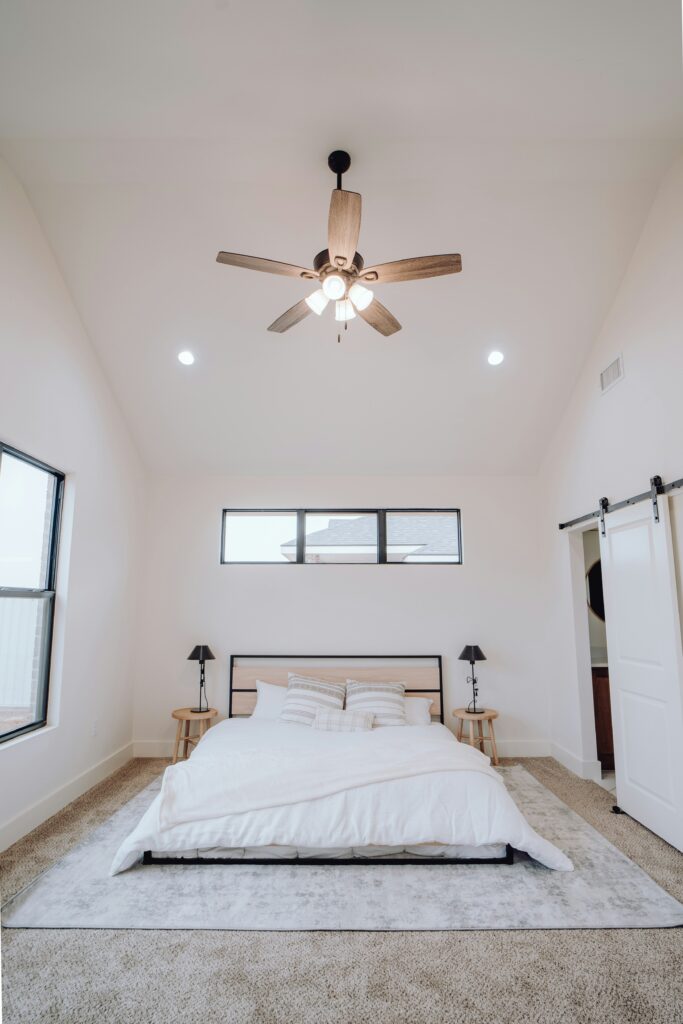
The brain associates clutter with unfinished tasks, which can trigger anxiety. Studies from Princeton University Neuroscience Institute confirm that disorganized spaces make it harder to focus and relax. Keeping your bedroom minimal and tidy can help your brain associate it with rest rather than activity.
Most Important Things:
- Keep your bedroom clean and organized.
- Choose calming colors like blue, gray, or beige.
- Avoid using your bedroom for work or screen time.
- Add soft textures and minimal decor to promote calm.
FAQs
1. Why is the Perfect Sleep Environment so important?
Because your surroundings directly affect how your body and brain regulate sleep. Factors like temperature, noise, and light all influence melatonin production, heart rate, and stress levels – key components for deep, restorative rest.
2. Can improving my sleep environment fix insomnia?
It can help significantly. While medical insomnia may require professional treatment, creating a perfect sleep environment improves sleep hygiene and supports healthy sleep habits that make falling asleep easier.
3. What’s the best first step to improve my sleep space?
Start by adjusting one major factor – such as room temperature or lighting. Once you notice improvements, add other changes like noise control, better bedding, or decluttering.
Final thoughts: Build Your Sanctuary for Better Sleep
Achieving the perfect sleep environment isn’t about spending a fortune – it’s about making mindful choices that support your body’s natural sleep rhythms. The ideal space should be cool, dark, quiet, and comfortable, allowing your mind and body to fully recharge.
By controlling factors like temperature, light, sound, air quality, and clutter, you create an environment that promotes relaxation and balance. Science shows that when your surroundings support deep sleep, your mental health, mood, and productivity all improve.
So tonight, take a few minutes to make small changes – dim the lights, cool the room, and silence distractions. Your body will thank you, and your nights will finally feel restful again.
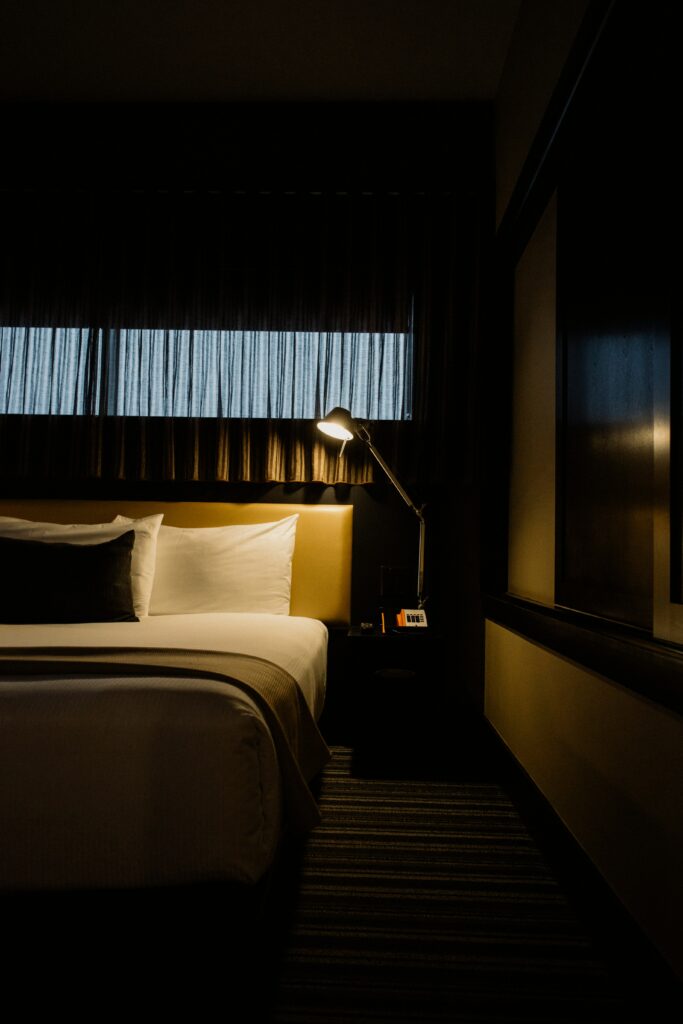
How do you optimize your sleep environment ? Let us know in the comments below. We would love to hear your thoughts!

How To Build a Perfect Evening Routine Backed By Research

4 Sleep Stages: What Happens in Each One

Shilajit: Benefits, Side Effects and How to Use It Correctly

Digital Detox: Reclaim Your Focus, Energy, and Peace of Mind

Melatonin vs Magnesium for Sleep: Which One is Better?

What Really Happens to Your Body When You’re Sleep Deprived

Top Health tech picks on amazon for christmas 2025

Which Magnesium Is Best? Benefits, Differences, and How to Pick the Right Type