

Getting enough deep sleep is one of the most powerful ways to restore your body and mind. You can spend eight hours in bed, but without enough deep sleep, you’ll likely wake up groggy, unfocused, and tired. This crucial stage of rest is when your body repairs tissue, strengthens the immune system, and locks in memories.
In this post, we’ll explore what makes deep sleep so important, what happens during this stage, how it impacts your physical and mental health, and what you can do to improve it. By the end, you’ll understand why deep sleep is truly the foundation of a healthy, energetic life and exactly how to get more of it.
Understanding Deep Sleep: The Foundation of True Rest
Deep sleep, also known as slow-wave sleep (SWS), is one of the four main stages of the sleep cycle. It’s characterized by slow brain waves called delta waves and is the hardest stage to wake from. According to the National Institutes of Health, this stage is essential for physical restoration and overall well-being.
During deep sleep, your heart rate and breathing slow down, body temperature drops, and muscles relax completely. This state allows your body to focus on repair and recovery. Growth hormone is released, helping tissues heal and muscles grow. That’s why athletes, bodybuilders, and anyone recovering from physical strain need plenty of deep sleep to function at their best.
In short, deep sleep is the “maintenance mode” of the body – when everything slows down just enough to repair, reset, and recharge for a new day.

The Science of Deep Sleep and Brain Health
Your brain is just as active during sleep as it is when awake – but in very different ways. Deep sleep plays a key role in brain detoxification and memory consolidation. Studies from the University of Rochester Medical Center found that during deep sleep, the brain’s “glymphatic system” becomes more active, flushing out toxins like beta-amyloid, which are linked to Alzheimer’s disease.
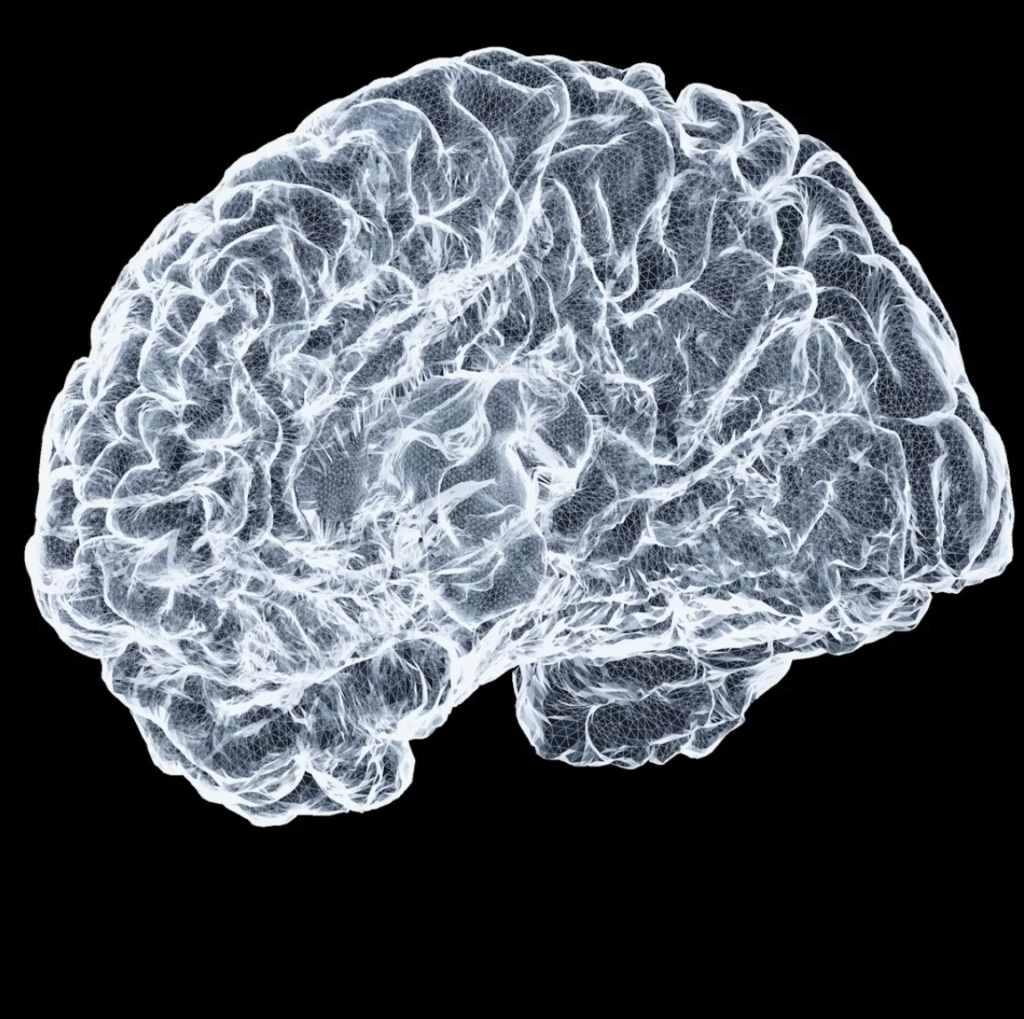
This stage also helps process and store new information. When you learn something new during the day, like a skill, fact, or language, deep sleep helps transfer that knowledge from short-term to long-term memory. Without enough deep sleep, your ability to concentrate and remember things declines sharply.
In essence, deep sleep is the brain’s nightly cleaning and organizing session. It strengthens neural connections, clears waste, and ensures your mind is sharp and alert when you wake up.
Deep Sleep and Physical Recovery
One of the biggest benefits of deep sleep is how it supports the body’s repair and growth processes. During this stage, the pituitary gland releases human growth hormone (HGH), which stimulates cell regeneration and muscle repair. This is why people who engage in intense exercise need longer and deeper sleep to fully recover.
Your immune system also gets a boost during deep sleep. Cytokines – proteins that help fight infection and inflammation – are released more abundantly. If you’ve ever noticed that you get sick more easily when you’re sleep-deprived, it’s because your body missed out on this vital recovery time.
When deep sleep is cut short, your body doesn’t have enough time to repair damage from stress, workouts, or even daily wear and tear. Over time, this can lead to fatigue, slower healing, and a weakened immune response.

How Deep Sleep Affects Hormones and Weight
Deep sleep doesn’t just impact energy – it also influences your metabolism and hormone balance. During this stage, your body regulates key hormones that control hunger and stress, including leptin, ghrelin, and cortisol.
When you don’t get enough deep sleep, ghrelin (the “hunger hormone”) increases, and leptin (which signals fullness) decreases. This imbalance often leads to overeating and cravings for sugary foods. Meanwhile, cortisol, your main stress hormone, can remain elevated, which contributes to fat storage- especially around the abdomen.
In contrast, adequate deep sleep helps keep your metabolism steady and your appetite balanced. That’s why improving deep sleep isn’t just about feeling rested – it’s also a hidden key to maintaining a healthy weight and reducing stress-related eating.
Tips to Improve Deep Sleep Naturally
If you struggle to stay in deep sleep or wake up feeling unrefreshed, don’t worry – there are simple habits that can help you enhance it naturally. Here are a few proven strategies:
- Stick to a consistent sleep schedule. Going to bed and waking up at the same time every day trains your body to enter deep sleep more efficiently.
- Avoid screens before bed. Blue light from phones and computers suppresses melatonin, the hormone that helps you fall asleep.
- Keep your room cool and dark. Deep sleep happens best when your body temperature drops. A quiet, cool environment encourages this.
- Limit caffeine and alcohol. Both can interfere with the deep sleep phase, even if you fall asleep easily at first.
- Try relaxation techniques. Meditation, breathwork, or gentle yoga before bed can lower stress and prepare your body for deep rest.
Improving deep sleep takes time, but even small changes can make a big difference. The goal is to make your nighttime routine consistent and relaxing so your body naturally slips into restorative rest.

How Much Deep Sleep Do You Need?

On average, adults spend about 13–23% of their total sleep in the deep sleep stage. For someone who sleeps eight hours, that’s roughly one to two hours per night. However, the exact amount varies with age, lifestyle, and overall health.
Children and teenagers spend significantly more time in deep sleep, as their bodies are growing rapidly. As we age, deep sleep decreases naturally, which may explain why older adults often experience lighter, more fragmented sleep.
While you can’t force your body to get more deep sleep directly, you can improve your overall sleep quality – and your body will respond by spending more time in this essential stage.
FAQ: Common Questions About Deep Sleep
1. How can I tell if I’m getting enough deep sleep?
You can’t feel deep sleep directly, but you can look at how you feel when you wake up. If you’re alert, focused, and refreshed, you likely got enough. Fitness trackers and smartwatches can also estimate deep sleep by measuring heart rate and movement patterns.
2. Can naps replace deep sleep at night?
Short naps (20–30 minutes) mainly include light sleep and REM, not deep sleep. While they can boost energy, they don’t provide the same physical recovery benefits. True deep sleep primarily happens during longer nighttime rest.
3. Does exercise increase deep sleep?
Yes! Moderate to vigorous exercise during the day has been shown to increase deep sleep duration. Just avoid working out too close to bedtime – your body needs time to cool down before entering deep sleep.
Final thoughts: Prioritize Deep Sleep for a Healthier You
Deep sleep isn’t just one part of your nightly rest- it’s the most critical phase for repair, recovery, and renewal. It supports brain function, strengthens your immune system, balances hormones, and even helps maintain a healthy weight.
By creating healthy sleep habits and understanding how deep sleep works, you can transform your rest and your overall well-being. So tonight, instead of just focusing on how long you sleep, start focusing on how deeply you sleep. Your body and mind will thank you every morning.

How do you control your sleep quality? Share your thoughts in the comment section below!

How To Build a Perfect Evening Routine Backed By Research

4 Sleep Stages: What Happens in Each One

Shilajit: Benefits, Side Effects and How to Use It Correctly

Digital Detox: Reclaim Your Focus, Energy, and Peace of Mind

Melatonin vs Magnesium for Sleep: Which One is Better?

What Really Happens to Your Body When You’re Sleep Deprived

Top Health tech picks on amazon for christmas 2025

Which Magnesium Is Best? Benefits, Differences, and How to Pick the Right Type