
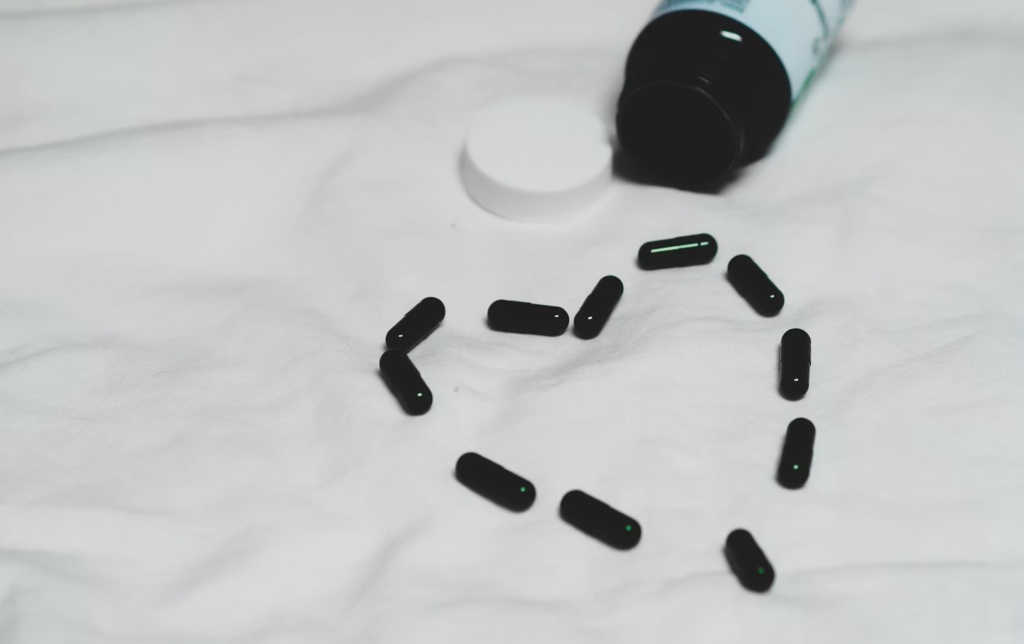
Shilajit is one of those supplements you keep hearing about – on podcasts, wellness blogs, and maybe even from that one friend who suddenly has way more energy than usual. If you’re someone who feels tired despite sleeping enough, struggles with low motivation, or just wants to support long-term health naturally, you’re not alone. Modern life drains us fast. Stress, poor soil quality in food, and constant stimulation don’t exactly help.
That’s where ancient remedies come back into the spotlight. Shilajit has been used for centuries in Ayurvedic medicine, yet modern science is now catching up to explain why. In this post, you’ll learn what Shilajit is, its science-backed benefits, possible side effects, and how to use it correctly so you can decide whether it fits your lifestyle. We’ll also cover what to look for when buying Shilajit and answer common questions people ask before trying it.
Let’s break it down – clearly, safely, and without hype.
What Is Shilajit?
Shilajit is a sticky, tar-like substance that seeps out of rocks in high mountain ranges, especially the Himalayas, Altai, and Caucasus regions. It forms over centuries from the slow decomposition of plants and minerals under pressure. Not exactly glamorous – but incredibly potent.
The key reason Shilajit gets so much attention is its high concentration of fulvic acid and trace minerals. Fulvic acid helps transport nutrients into cells, while the minerals support many biological processes.
Traditionally, Shilajit was known as the “destroyer of weakness.” Bold name – but not entirely undeserved.

The Science-Backed Benefits of Shilajit
Let’s look at what Shilajit actually does and why people use it today.
1. Supports Energy and Mitochondrial Function
If fatigue is your main concern, this is where Shilajit shines.
Research suggests that Shilajit helps support mitochondrial function – the process by which your cells produce energy (ATP). One study published in the Journal of Ethnopharmacology found that purified Shilajit may improve physical performance and reduce fatigue by supporting cellular energy production.
In simple terms:
- Better energy at the cellular level
- Less “dragging yourself through the day” feeling
- More consistent stamina rather than caffeine spikes
This is why many people take Shilajit in the morning instead of relying on another coffee.
2. May Support Testosterone and Hormonal Balance
Shilajit is especially popular among men, and for good reason.
A controlled clinical study published in Andrologia showed that healthy men who supplemented with purified Shilajit for 90 days experienced significant increases in total testosterone levels compared to placebo.
Potential benefits include:
- Improved vitality and motivation
- Support for muscle strength and recovery
- Better overall hormonal balance
That said, Shilajit is not a hormone – it’s more like a support system for the body’s natural processes.
3. Cognitive Support and Brain Health
Another benefit of Shilajit that often flies under the radar is its impact on brain health.
Fulvic acid has been studied for its neuroprotective properties, particularly its role in preventing abnormal protein buildup in the brain. Some early research suggests this could be relevant for long-term cognitive health.
Users often report:
- Better focus and mental clarity
- Less brain fog
- Improved stress resilience
No, it won’t turn you into a chess grandmaster overnight – but it may help your brain work with less friction.
4. Rich Source of Minerals and Antioxidants
Modern diets are often lacking in trace minerals due to depleted soil. Shilajit contains over 80 trace minerals in ionic form, making them easier for the body to absorb.
Key benefits include:
- Antioxidant support to fight oxidative stress
- Support for immune function
- Better nutrient absorption overall
Think of Shilajit as a multiplier: it helps your body get more value from what you already consume.
5. Adaptogenic Effects for Stress and Longevity
Shilajit is often described as an adaptogen, meaning it helps the body adapt to physical and mental stress.
Animal and preliminary human studies suggest Shilajit may:
- Support adrenal function
- Reduce the effects of chronic stress
- Promote healthy aging
In Ayurvedic medicine, it’s traditionally used for longevity – and while modern science is still exploring this, the early signals are promising.
Possible Side Effects and Risks of Shilajit
Now let’s be responsible adults and talk about the downsides – because no supplement is perfect.

1. Risk of Contamination (Very Important)
Raw or unpurified Shilajit may contain:
- Heavy metals
- Mycotoxins
- Harmful microbes
This is why purification and third-party testing are non-negotiable. Never consume raw Shilajit scraped from rocks or bought from questionable sources.
2. Digestive Issues
Some people experience:
- Mild nausea
- Upset stomach
- Headaches (usually from too high a dose)
These effects are often temporary and dose-related.
3. Not Suitable for Everyone
Avoid or consult a healthcare professional if you:
- Have gout or high uric acid
- Are pregnant or breastfeeding
- Have a chronic medical condition
- Are taking prescription medications
Shilajit is powerful. Respect it.

How to Use Shilajit Correctly
Using Shilajit the right way makes all the difference.
Recommended Dosage
Most studies and traditional use suggest:
- 250–500 mg per day
- Once daily, preferably in the morning
Start low and increase gradually.
Best Way to Take Shilajit
Shilajit is commonly available as:
- Resin (most traditional and potent)
- Powder
- Capsules
Resin is often considered the gold standard.
How to take it:
- Dissolve a pea-sized amount in warm water, tea, or milk
- Avoid mixing with cold liquids
- Take on an empty stomach or before breakfast
Buying Shilajit: 5 Key Factors to Look For
Choosing the right Shilajit matters more than most people realize.

1. Purity and Testing
Look for:
- Third-party lab testing
- Certificates of Analysis (COA)
- Clear labeling
If a brand avoids sharing test results, that’s a red flag.
2. Source Region
High-quality Shilajit usually comes from:
- The Himalayas
- Altai Mountains
The region affects mineral composition and potency.
3. Form: Resin vs Capsules
- Resin: More bioavailable, traditional, slightly bitter
- Capsules: Convenient, but quality depends on processing
Choose based on lifestyle – but prioritize quality.
4. Fulvic Acid Content
A good Shilajit product typically contains:
- 15–20% fulvic acid
Too low = weak
Too high = possibly manipulated
Balance matters.

5. Transparency and Brand Reputation
Trust brands that:
- Educate rather than oversell
- Provide sourcing details
- Avoid miracle claims
If it sounds like magic, it probably isn’t Shilajit – it’s marketing.
FAQ: Common Questions About Shilajit
1. How long does it take for Shilajit to work?
Most people notice subtle benefits within 1–2 weeks, especially in energy and focus. Hormonal or endurance-related benefits may take 4–8 weeks of consistent use.
2. Can women take Shilajit?
Yes. While often marketed to men, Shilajit can support energy, mineral balance, and stress resilience in women as well. Dosage is generally the same, but starting lower is wise.
3. Can I take Shilajit every day?
Yes, high-quality purified Shilajit is typically safe for daily use when taken at recommended doses. Some people cycle it (e.g., 5 days on, 2 days off), but this isn’t strictly necessary.
Final thoughts: Is Shilajit Worth It?
Shilajit isn’t a trendy gimmick – it’s a time-tested, mineral-rich substance with growing scientific support. From improved energy and focus to hormonal and stress support, the benefits of Shilajit can be meaningful when used correctly.
That said, quality matters more than almost anything else. Choose purified, tested products. Start slow. Listen to your body.
If you’re looking for a natural way to support vitality without relying on stimulants, Shilajit may be worth considering. Just don’t expect miracles overnight – real health rarely works that way.
And if nothing else, you’ll have a great answer the next time someone asks, “What’s that black stuff in your cup?”

Do you use Shilajit? What kind of benefits did you notice? Let us know in the comment section below!
Disclosure: This post contains affiliate links. If you click through and make a purchase, we may earn a small commission at no extra cost to you. We only recommend products we genuinely believe in. This helps to support this website and allows us to continue producing free, valuable content.

How To Build a Perfect Evening Routine Backed By Research

4 Sleep Stages: What Happens in Each One

Digital Detox: Reclaim Your Focus, Energy, and Peace of Mind
Melatonin vs Magnesium for Sleep: Which One is Better?

What Really Happens to Your Body When You’re Sleep Deprived

Top Health tech picks on amazon for christmas 2025
Which Magnesium Is Best? Benefits, Differences, and How to Pick the Right Type

Why Deep Sleep Is the Most Important Stage of Rest
I really enjoyed reading this post. I’ve been learning more about Ayurveda and its traditional ingredients, and shilajit resin is an ingredient that I found particularly interesting. Thanks for sharing this resource.