

If you’ve ever crushed a tough workout and woke up the next morning barely able to move, you’re not alone. Muscle soreness, stiffness, and fatigue are part of every athlete’s journey – whether you’re a weekend warrior or a seasoned pro. That’s why knowing when to use heat and when to use cold is crucial. In this ultimate guide for Workout Recovery, we’ll explore how cold therapy and heat therapy impact your body, their unique benefits, and how to combine them for optimal recovery. By the end, you’ll know exactly which method to use to relieve soreness, boost performance, and speed up your return to training.
Understanding the Science of Recovery
Before diving into the details, it’s important to understand why recovery matters. After exercise, your muscles experience tiny microtears – a normal part of building strength and endurance. Recovery methods like cold and heat therapy help the body repair these tissues, reduce inflammation, and restore mobility.
This ultimate guide for Workout Recovery focuses on how two of the most popular methods – ice baths (cold therapy) and saunas (heat therapy) – affect the recovery process. Both have proven benefits, but their effects are quite different.
Cold Therapy: The Power of Ice Baths and Cold Plunges
Cold therapy, also known as cryotherapy, involves exposing your body to low temperatures to reduce muscle inflammation and pain. Many athletes swear by ice baths, cold plunges, or even cold showers after intense exercise.
Key Features and Benefits
- Reduces inflammation: Cold exposure causes blood vessels to constrict, which helps minimize swelling and tissue damage after exercise.
- Decreases soreness: It numbs nerve endings, reducing pain from microtears in the muscles.
- Enhances recovery for endurance athletes: Cold plunges are especially beneficial for runners, cyclists, and triathletes, as they can speed up the recovery of leg muscles after long training sessions.
- Boosts mental resilience: Cold therapy isn’t just physical – it challenges your mind and builds mental toughness, which can translate into better athletic performance.
Research has shown that regular cold exposure may even enhance mitochondrial function – helping muscles use energy more efficiently over time.

When to Use Cold Therapy
Cold therapy works best immediately after intense exercise or competition, especially if you’re dealing with swelling or acute soreness. For example, after a long run or heavy leg day, a 10–15 minute ice bath can do wonders for recovery. However, keep in mind that ice bath as it helps you to recover more quickly, it can also slow down the muscle growth. Cold therapy works best for endurance athletes like runners, cyclists etc. If you want to grow muscle, sauna might be the better option for you, as it boosts the growth hormone.
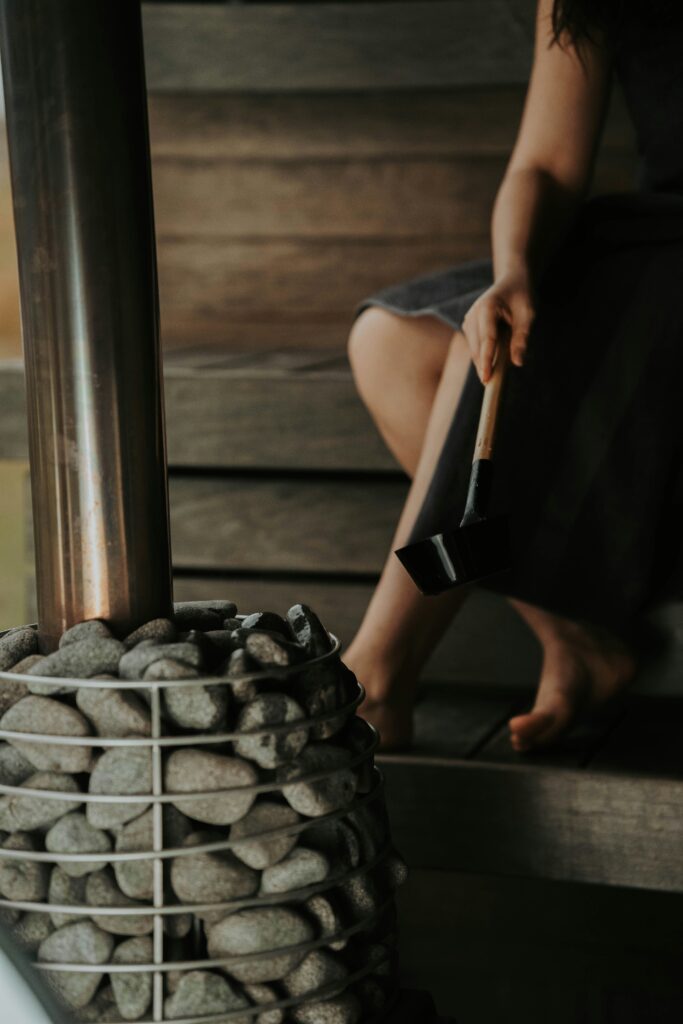
Heat Therapy: Sauna Benefits for Muscle Growth and Relaxation
If cold plunges help reduce inflammation, heat therapy does the opposite – it increases circulation. Using a sauna or hot bath can relax muscles, relieve stiffness, and promote healing.
Key Features and Benefits
- Improves blood flow: Heat expands blood vessels, allowing oxygen and nutrients to reach tired muscles more efficiently.
- Relieves soreness and tension: It helps loosen tight muscles, making it ideal for post-workout relaxation or recovery on rest days.
- Supports muscle growth: Studies suggest that regular sauna use may boost growth hormone levels, which can aid in muscle repair and development.
- Promotes detoxification: Sweating helps eliminate toxins and improve skin health.
- Reduces stress: The calming warmth of a sauna also lowers cortisol, your body’s stress hormone, enhancing overall well-being.
For athletes, incorporating heat therapy after workouts can complement training by enhancing flexibility and mobility while supporting long-term muscle adaptation.
Cold vs Heat: When to Use Each for the Best Recovery
So, should you choose ice or heat? The answer depends on your recovery goals.
- Use Cold Therapy when you’re dealing with inflammation, swelling, or acute soreness right after a tough session.
- Use Heat Therapy when you want to relax, loosen up stiff muscles, or recover between workouts.
Some athletes even combine the two, a method known as contrast therapy, alternating between hot and cold to boost circulation and reduce muscle fatigue.
Key Features of Each
| Therapy Type | Best For | Main Benefits | Ideal Timing |
|---|---|---|---|
| Cold Therapy | Inflammation & soreness | Reduces swelling, speeds muscle recovery | Immediately after exercise |
| Heat Therapy | Relaxation & mobility | Increases blood flow, relieves tension | During rest or light recovery days |
Knowing how and when to apply each method can make your recovery more efficient and balanced – helping you stay consistent in your training routine. This is the essence of the ultimate guide for Workout Recovery: using smart, evidence-based techniques to feel and perform your best.
The Power of Combining Cold and Heat Therapy
If you can’t decide between the two, why not use both? Alternating between hot and cold exposure (such as switching between a sauna and cold plunge) can give you the best of both worlds.
How It Works
- The cold reduces inflammation and constricts blood vessels.
- The heat reopens those vessels, flushing out waste products and bringing in oxygen-rich blood.
This back-and-forth circulation effect can reduce soreness, speed up recovery, and even boost your immune system. Many elite athletes use this technique as part of their regular routine, especially after competitions or heavy training days.
Key Benefits
- Accelerates healing and reduces fatigue
- Improves circulation and lymphatic drainage
- Enhances relaxation and overall recovery quality

Adding this alternating method to your post-workout routine can make a noticeable difference in how quickly you bounce back – reinforcing the principles of this ultimate guide for Workout Recovery.
Additional Tips for Faster Recovery
Beyond hot and cold therapy, there are other habits that can enhance your recovery and keep you feeling strong.
- Hydrate well: Both sauna use and ice baths can dehydrate you, so drink plenty of water before and after sessions.
- Get enough sleep: Deep sleep is when your muscles repair and grow.
- Eat balanced meals: Include protein, complex carbs, and healthy fats to support muscle repair.
- Stretch and foam roll: These help maintain flexibility and reduce muscle tightness.
Combining these fundamentals with proper heat and cold therapy creates a comprehensive recovery strategy.
Common Questions About Hot and Cold Therapy
1. Is it better to use ice or heat after a workout?
If you’re feeling swollen or have acute soreness, ice is your best bet. It reduces inflammation and helps with pain. Heat works better for general muscle tightness or stiffness after your body has cooled down.
2. Can I use both heat and cold therapy together?
Yes! Many athletes alternate between cold plunges and saunas. This method boosts circulation and can enhance muscle recovery while reducing fatigue. However, keep in mind that sudden changes in temperatures, such as doing a cold plunge right after the sauna, might cause dizziness. Be cautious when combining heat and cold therapy. Even better, have someone to spot you.
3. How often should I use saunas or ice baths?
Most experts recommend 2–4 times per week, depending on your training intensity. Start slow – even short sessions can provide noticeable benefits.
Choosing the Right Recovery Method for You
Recovery is just as important as training itself. Knowing when to use heat or cold can make all the difference in how your body adapts, heals, and performs.
To summarize this Ultimate guide for Workout Recovery:
- Cold therapy is best for reducing inflammation, soreness, and swelling.
- Heat therapy helps increase blood flow, reduce stiffness, and promote relaxation.
- Combining both methods can deliver even greater benefits for endurance, strength, and overall well-being.
Whether you prefer the chill of an ice bath or the soothing warmth of a sauna, consistency is key. Make recovery a non-negotiable part of your routine – your muscles will thank you later.

What is your favorite way to recover after the workout? Let us know in the comments below.
We would love to hear your thoughts!

How To Build a Perfect Evening Routine Backed By Research

4 Sleep Stages: What Happens in Each One
Shilajit: Benefits, Side Effects and How to Use It Correctly

Digital Detox: Reclaim Your Focus, Energy, and Peace of Mind
Melatonin vs Magnesium for Sleep: Which One is Better?

What Really Happens to Your Body When You’re Sleep Deprived

Top Health tech picks on amazon for christmas 2025
Which Magnesium Is Best? Benefits, Differences, and How to Pick the Right Type