

Your evening routine might be the most overlooked productivity and health tool you have – and yet, it quietly determines how you sleep, how you feel the next morning, and how well your brain and body recover overnight. If you’ve ever gone to bed exhausted but still couldn’t fall asleep, or woken up feeling like you never rested, your evening habits are likely to blame.
Modern research shows that what you do in the final 2–3 hours before bed strongly affects sleep quality, stress hormones, digestion, memory consolidation, and even long-term metabolic health. In other words, mornings don’t start in the morning – they start the night before.
This article will walk you through how to build a perfect evening routine backed by research, step by step. We’ll cover the most important habits, why they work, and how to apply them realistically (no monk-level discipline required). By the end, you’ll know exactly what matters, what doesn’t, and how to design an evening routine your future self will thank you for.
Create a Consistent Wind-Down Time (Your Brain Needs a Signal)
One of the most important pillars of an effective evening routine is consistency. Research in sleep science shows that the brain thrives on predictable cues. When you begin winding down at roughly the same time each night, your circadian rhythm learns to anticipate sleep.
This predictability helps regulate melatonin production – the hormone that tells your body it’s time to rest. Without a clear wind-down period, your nervous system stays in “alert mode,” even if you’re physically tired.
Key things to know:
- Aim to start winding down 60–90 minutes before bed
- Keep the start time within a 30–45 minute window, even on weekends
- Use repeated cues (lighting, music, routines) to train your brain
Helpful wind-down signals include:
- Dimming lights
- Changing into comfortable clothes
- Switching to calmer activities
Think of it like telling your brain, “Hey, party’s over – recovery mode starts now.” And yes, your brain appreciates good communication.
Reduce Artificial Light Exposure (Especially Blue Light)
Light exposure plays a massive role in your evening routine, whether you realize it or not. Research consistently shows that blue light from screens suppresses melatonin, delays sleep onset, and reduces sleep quality.
Your brain evolved to interpret bright light as “daytime.” So when you scroll on your phone at night, your brain assumes it’s still noon – just with worse memes.
Research-backed evidence:
- Blue light delays melatonin release by up to 90 minutes
- Evening screen use increases sleep latency (time to fall asleep)
- Artificial light can fragment REM sleep
Practical strategies:
- Stop screen use 60 minutes before bed if possible
- Use blue-light filters or night mode if screens are unavoidable
- Switch to warm, low lighting after sunset
You don’t need to live like it’s the 1800s. Just give your nervous system a fighting chance to calm down.
Eat Dinner Earlier and Lighter (Your Gut Needs Rest Too)
A well-designed evening routine includes mindful eating timing. Studies show that eating heavy meals late at night interferes with digestion, sleep depth, and blood sugar regulation.
When you eat late, your body faces a conflict: digest food or initiate sleep processes. Digestion usually wins – and sleep loses.

Key things to know:
- Finish dinner 2–3 hours before bed
- Avoid heavy, high-fat, or spicy foods late at night
- Large meals increase nighttime awakenings
Better evening food choices include:
- Lean protein
- Complex carbohydrates
- Magnesium-rich foods (leafy greens, nuts)
And no, eating cookies in bed doesn’t count as “fueling recovery,” no matter how convincing that voice in your head sounds.
Limit Stimulants and Alcohol (They Sabotage Sleep Architecture)
Many people assume alcohol helps them sleep because it causes drowsiness. Research tells a different story. While alcohol may help you fall asleep faster, it reduces REM sleep, increases nighttime awakenings, and leads to lighter, less restorative sleep.
Caffeine is even more sneaky. Studies show that caffeine can affect sleep up to 6–8 hours after consumption.
Key research findings:
- Alcohol fragments sleep cycles
- Late caffeine reduces total sleep time
- Stimulants increase nighttime heart rate
Evening routine guidelines:
- Avoid caffeine after early afternoon
- Limit alcohol to earlier evening hours
- Hydrate earlier to avoid nighttime bathroom trips
Your sleep isn’t fragile – but it’s definitely not immune to sabotage.
Incorporate Relaxation Practices That Lower Stress Hormones
A powerful evening routine actively shifts your nervous system from “fight or flight” to “rest and digest.” Research shows that relaxation practices reduce cortisol levels and improve sleep onset.
You don’t need an hour-long meditation session. Even 5–10 minutes can have measurable benefits.
Evidence-based options include:
- Deep breathing (4-6 breaths per minute)
- Gentle stretching or yoga
- Progressive muscle relaxation
- Journaling to clear mental clutter
Benefits supported by research:
- Faster sleep onset
- Lower nighttime anxiety
- Improved sleep quality
This is where your evening routine becomes less about discipline and more about kindness – toward yourself and your nervous system.

Set Boundaries With Work and Mental Stimulation
Cognitive stimulation late at night keeps the brain in problem-solving mode. Research shows that mentally demanding tasks increase arousal and delay sleep readiness.
A healthy evening routine creates psychological closure to the day.
Helpful habits include:
- Writing tomorrow’s to-do list earlier in the evening
- Avoiding work emails after a set time
- Creating a “shutdown ritual”
Key benefits:
- Reduced racing thoughts
- Better emotional regulation
- Faster mental disengagement
Your brain can’t relax if it thinks it still has a deadline. Give it permission to clock out.
Optimize Your Sleep Environment (Small Tweaks, Big Payoff)
Your bedroom environment plays a critical role in how effective your evening routine becomes. Research shows that temperature, noise, and light exposure significantly affect sleep quality.
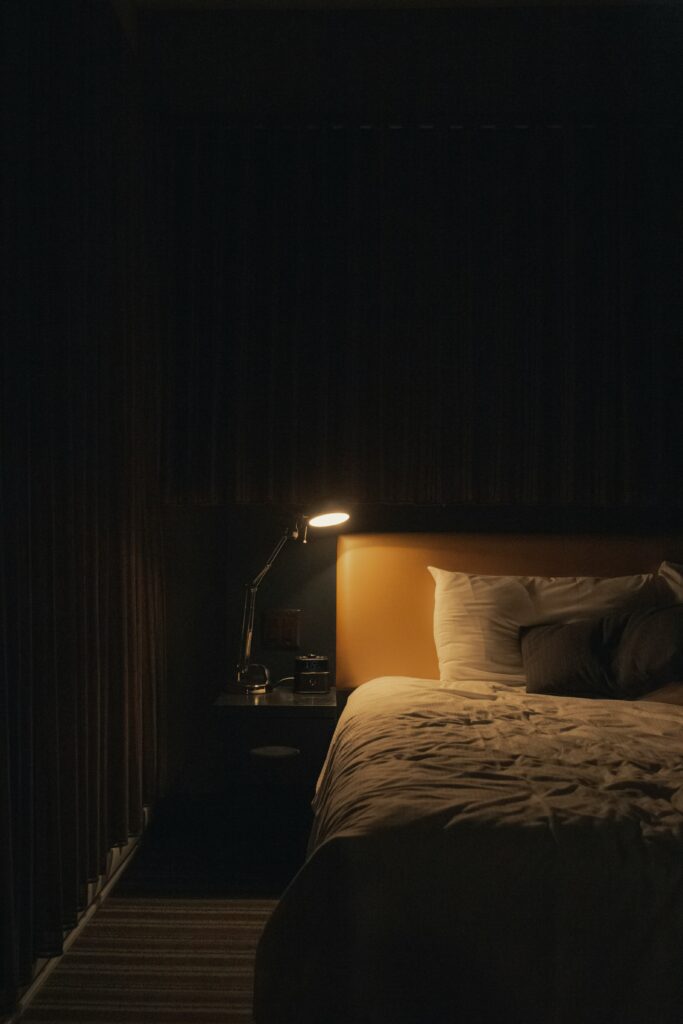
Optimal sleep conditions:
- Cool temperature (around 65–68°F / 18–20°C)
- Minimal light exposure
- Reduced noise or white noise
Other helpful tweaks:
- Comfortable mattress and pillow
- Clean, clutter-free space
- Consistent bedtime setup
Your bedroom should signal one thing only: “This is where we rest.” Not “this is where we doomscroll.”
Be Flexible, Not Perfect (Consistency Beats Perfection)
Research consistently shows that consistency matters more than perfection. A sustainable evening routine adapts to real life.
Missing a night doesn’t undo progress. What matters is returning to your routine the next evening.
Key mindset shifts:
- Aim for progress, not perfection
- Build habits you enjoy
- Adjust based on feedback from your body
If your routine feels like punishment, it won’t last. Science agrees – enjoyment increases adherence.
Frequently Asked Questions (FAQ)
1. How long should an evening routine be?
Most research suggests 60–90 minutes is ideal, but even 20–30 minutes of intentional wind-down can significantly improve sleep quality.
2. What is the most important part of an evening routine?
Consistency. Going to bed and winding down at similar times each night has the strongest impact on circadian rhythm and sleep quality.
3. Can an evening routine really improve productivity?
Yes. Studies show better sleep improves focus, memory, emotional regulation, and decision-making – all of which directly impact productivity.
Final thoughts: Build an Evening Routine That Works for You
A research-backed evening routine isn’t about rigid rules or perfection. It’s about creating predictable signals that tell your brain and body it’s safe to rest, recover, and reset.
To recap, the most important elements include:
- A consistent wind-down period
- Reduced light and screen exposure
- Earlier, lighter meals
- Stress-reducing activities
- Clear mental and work boundaries
- An optimized sleep environment
When you build your evening routine with intention, sleep becomes easier, mornings feel better, and your health benefits quietly compound over time.
And if you ever slip up? That’s okay. Your nervous system isn’t keeping score – it’s just waiting for the next calm evening signal.

4 Sleep Stages: What Happens in Each One

Shilajit: Benefits, Side Effects and How to Use It Correctly

Digital Detox: Reclaim Your Focus, Energy, and Peace of Mind

Melatonin vs Magnesium for Sleep: Which One is Better?

What Really Happens to Your Body When You’re Sleep Deprived

Top Health tech picks on amazon for christmas 2025

Which Magnesium Is Best? Benefits, Differences, and How to Pick the Right Type

Why Deep Sleep Is the Most Important Stage of Rest