
Disclosure: This post contains affiliate links. If you click through and make a purchase, we may earn a small commission at no extra cost to you. We only recommend products we genuinely believe in. This helps to support this website and allows us to continue producing free, valuable content.
Wearable Health Devices in 2025
Wearable Health Devices in 2025 are smarter and more personalized than ever before. If you’re someone who cares about tracking your fitness, sleep, or overall wellbeing, you know how confusing it can be to pick the right device. With so many options – smartwatches, rings, and even health patches – each promising to be “the best,” how do you know which ones are truly worth your money?
The truth is, not all wearables are created equal. Some deliver medical-grade insights, while others excel at everyday motivation. In this post, we’ll explore the top wearable health devices in 2025, what makes them stand out, and how to choose the best one for your needs.
By the end, you’ll know which products offer the best mix of accuracy, comfort, design, and value – so you can invest wisely in your health.
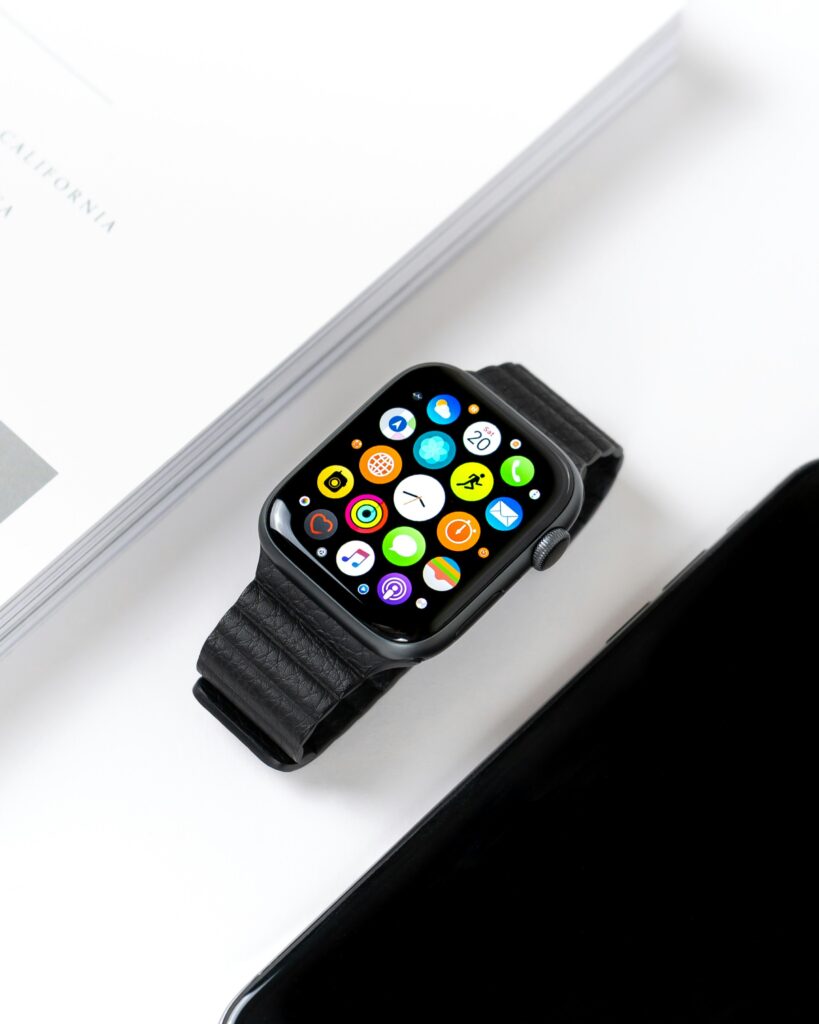
1. Apple Watch Series 11: The All-Around Health Powerhouse
Apple continues to dominate the wearable market with the Apple Watch Series 11, its most advanced model yet. This device blends everyday convenience with deep health insights, backed by strong research partnerships in heart and fitness monitoring.
Key Features
- ECG and AFib detection for heart rhythm irregularities
- Blood oxygen (SpO₂) and skin temperature sensors
- Stress tracking and sleep stage analysis
- Seamless integration with Apple Fitness+ and iOS Health
Pros
- Outstanding ecosystem and app integration
- Consistent software updates and privacy protection
- New “Smart Stack” interface makes data easier to digest
Cons
- Battery life still averages only 2 days
- Best suited for iPhone users
Ideal For:
iPhone users who want a sleek, feature-rich smartwatch with powerful health and lifestyle tools.
2. Samsung Galaxy Watch 7: The Android User’s Best Friend
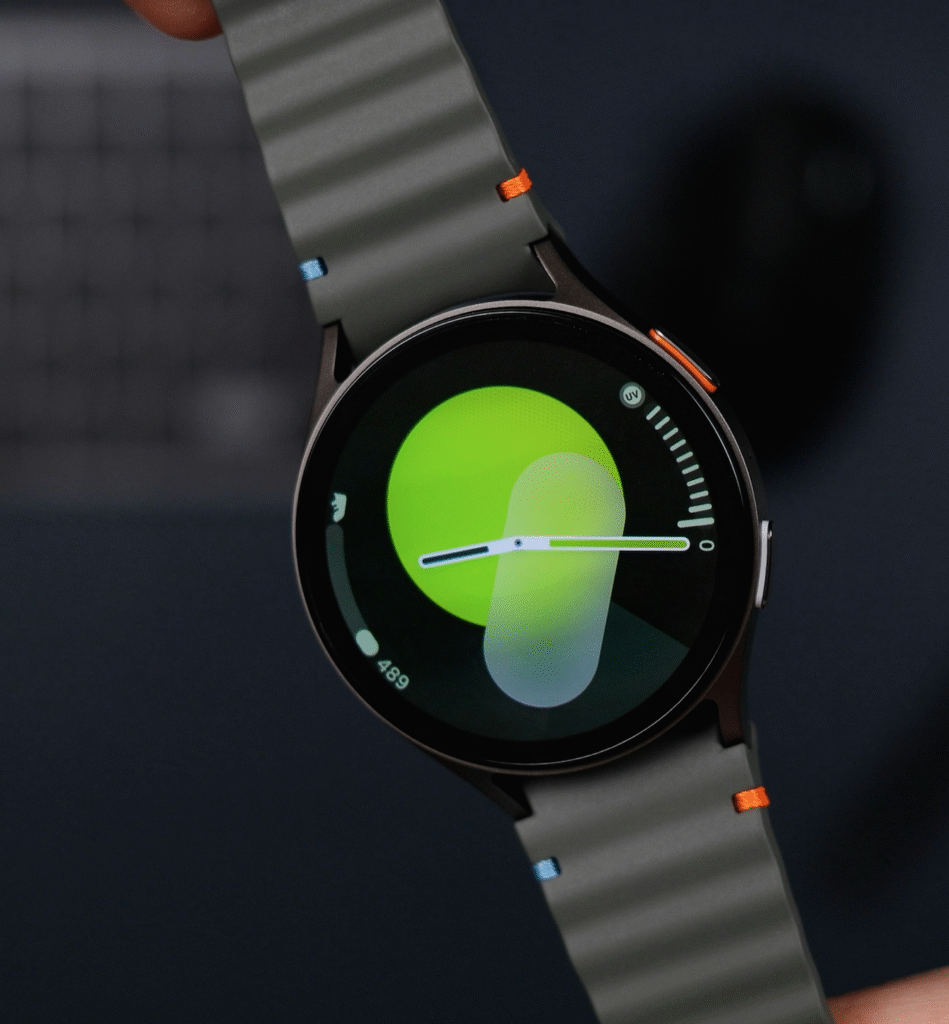
For Android users, the Samsung Galaxy Watch 7 is one of the most capable wearable health devices in 2025. It combines Samsung’s cutting-edge BioActive Sensor 2 with AI-driven insights powered by Google Fit.
Key Features
- Advanced blood pressure monitoring (in select regions)
- ECG and HRV tracking for stress and recovery
- Sleep score with personalized coaching
- Dual-frequency GPS for precise fitness tracking
Pros
- Excellent accuracy for heart and activity data
- Improved battery life (3 days average)
- Works seamlessly with Android ecosystem
Cons
- Some features require Samsung Health app only
- Premium features vary by country due to regulations
Ideal For:
Android users seeking a health-focused smartwatch with strong fitness and sleep capabilities.
3. Oura Ring Gen 4: The Minimalist’s Health Tracker
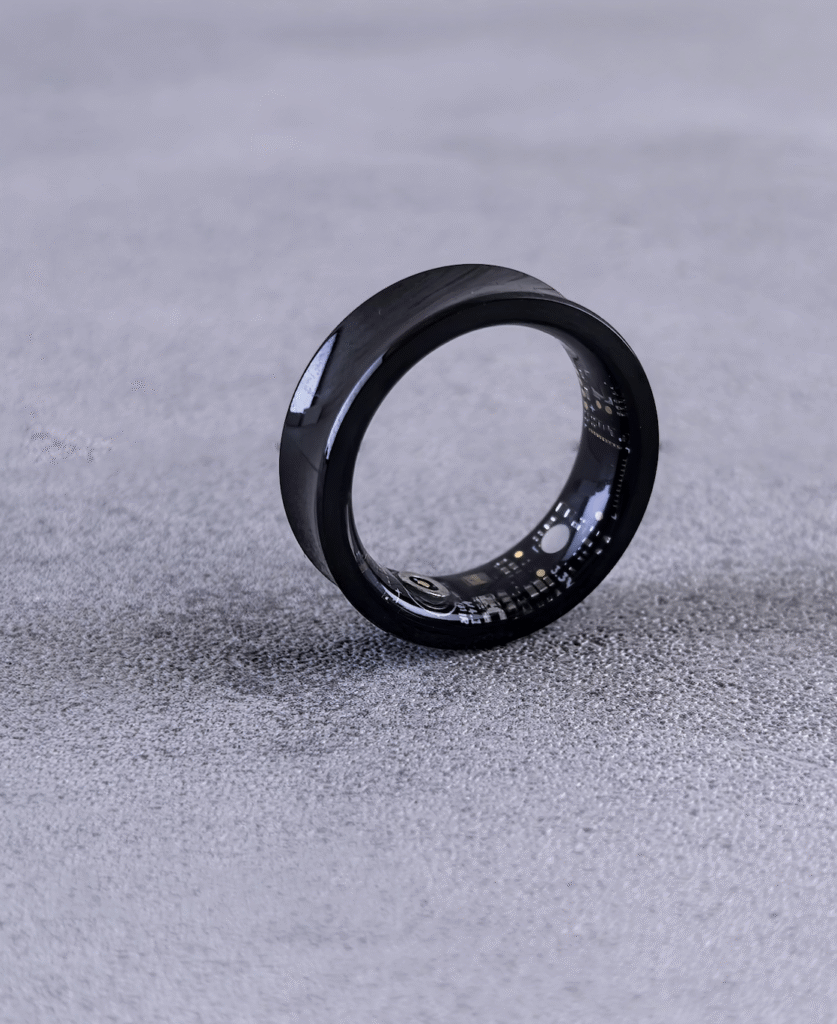
If you prefer subtle wearables, the Oura Ring Gen 4 offers medical-grade tracking in a sleek, lightweight design. Don’t let its small size fool you – this ring tracks key biometrics as accurately as most smartwatches.
Key Features
- Continuous sleep, HRV, and body temperature monitoring
- Readiness Score that evaluates recovery and fatigue
- Period prediction for women’s health
- 7-day battery life and fast charging
Pros
- Ultra-comfortable and discreet design
- Extremely accurate sleep tracking
- Ideal for 24/7 wear
Cons
- Requires a monthly subscription for full insights
- No screen or notifications
Ideal For:
Users who want advanced health tracking without the bulk of a smartwatch. Perfect for sleep optimization and recovery tracking.
4. Fitbit Sense 2: The Everyday Wellness Tracker
Fitbit remains one of the most trusted names in the wellness space, and the Fitbit Sense 2 continues that legacy in 2025. It’s a great mid-range option for those who want dependable tracking without overspending.
Key Features
- EDA sensor for stress and mindfulness tracking
- Sleep Score and daily readiness insights
- Heart rate, SpO₂, and skin temperature sensors
- Works with both Android and iOS
Pros
- Excellent battery life (6+ days)
- Affordable entry into premium health tracking
- Great app ecosystem with easy-to-read insights
Cons
- Some advanced insights require Fitbit Premium
- Slightly less accurate for intense workouts
Ideal For:
Beginners or casual health enthusiasts looking for an affordable, reliable wearable.
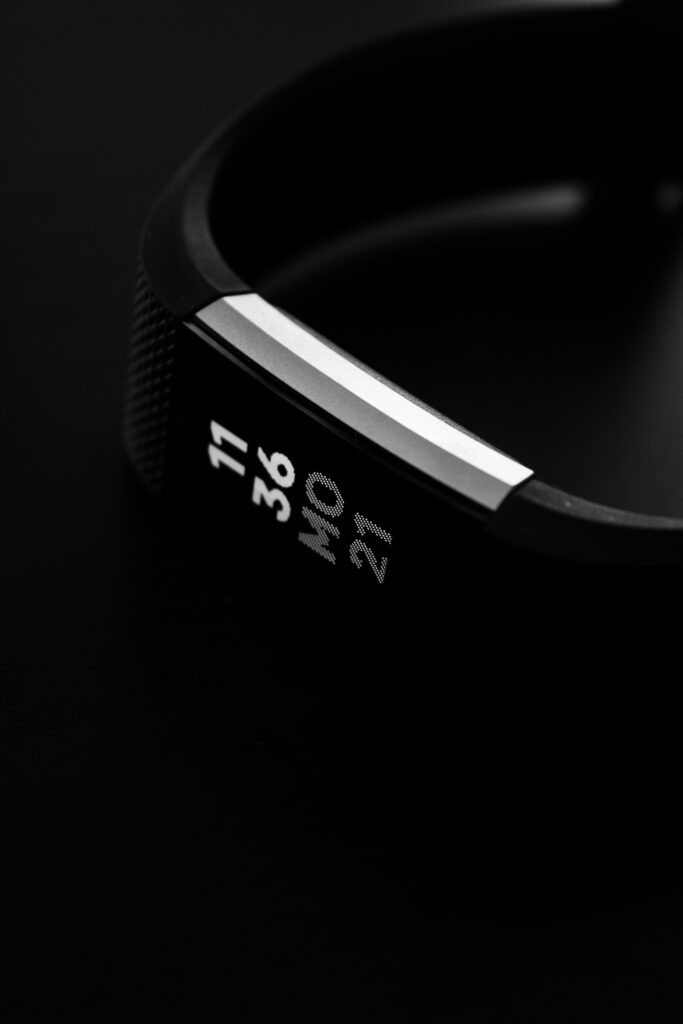
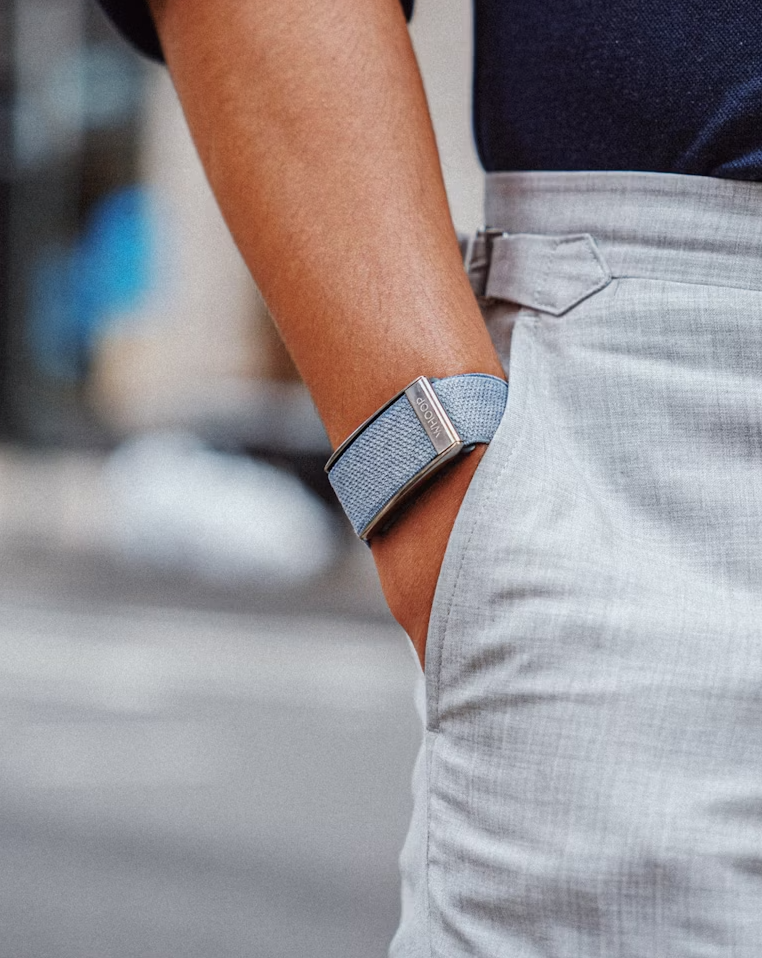
5. WHOOP 5.0: The Athlete’s Choice
The WHOOP 5.0 stands out as a professional-grade wearable built for athletes and performance-driven individuals. Instead of steps or calories, WHOOP focuses on strain, recovery, and sleep performance using highly advanced sensors.
Key Features
- 24/7 HRV and recovery tracking
- Sleep coaching that recommends bedtimes and recovery strategies
- AI performance analytics for workout optimization
- Worn as a strap, band, or under clothing
Pros
- Unmatched recovery data and precision
- No screen distractions – data syncs to the app
- Subscription includes continuous updates
Cons
- Requires monthly membership ($30/month)
- Designed primarily for athletes, not casual users
Ideal For:
Serious athletes and biohackers who want deep physiological insights and recovery analytics.
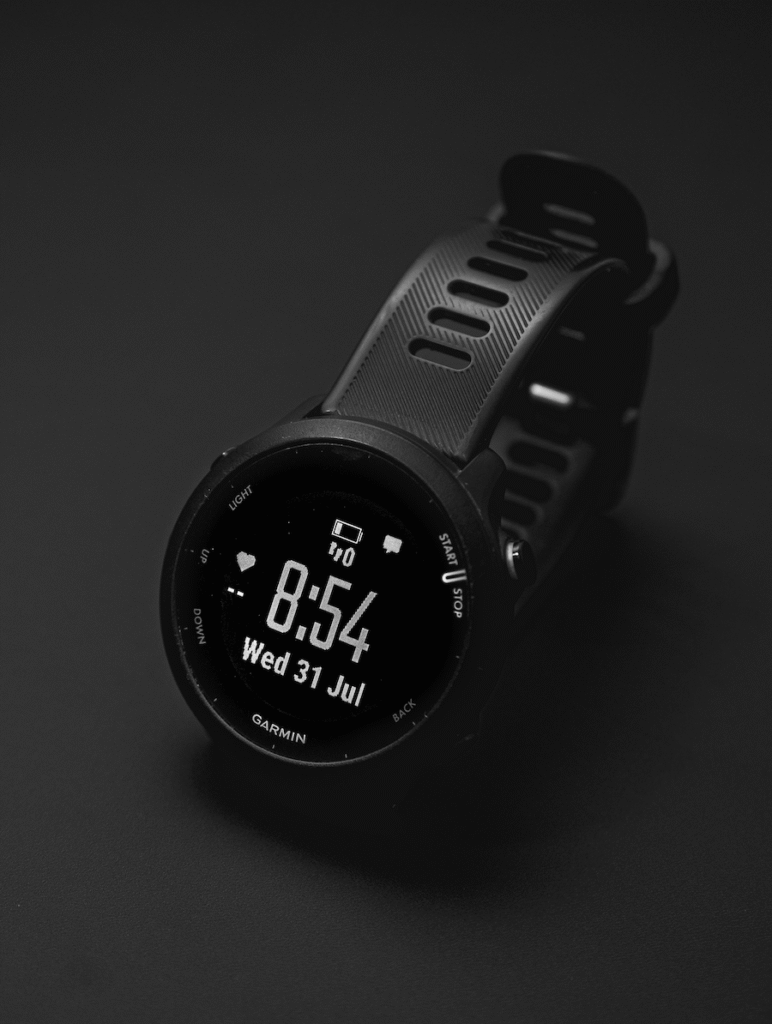
6. Garmin Venu 3: The Outdoor Enthusiast’s Dream
Garmin’s Venu 3 offers a perfect blend of smartwatch style and rugged performance. Known for its precise GPS tracking and long battery life, it’s ideal for outdoor adventurers and endurance athletes.
Key Features
- Body Battery™ energy tracking
- VO₂ Max, HRV, and Pulse Ox sensors
- Multi-sport tracking with 8-day battery life
- Supports Garmin Pay and offline music storage
Pros
- Excellent accuracy for endurance training
- Long battery life and durable build
- Offline features great for travelers and hikers
Cons
- Interface less intuitive than Apple or Samsung
- Bulkier design may not suit everyone
Ideal For:
Outdoor athletes, runners, or anyone who values durability and long battery life.
Comparison Chart: Top Wearable Health Devices in 2025
| Device | Key Health Features | Battery Life | Price Range | Best For |
|---|---|---|---|---|
| Apple Watch Series 11 | ECG, SpO₂, stress tracking, AI coaching | 2 days | $$$ | iPhone users who want full integration |
| Samsung Galaxy Watch 7 | BP monitor, ECG, HRV, sleep score | 3 days | $$ | Android users seeking precision |
| Oura Ring Gen 4 | Sleep, HRV, readiness, temperature | 7 days | $$$ | Minimalists and recovery tracking |
| Fitbit Sense 2 | EDA, heart rate, SpO₂, sleep score | 6 days | $$ | Everyday wellness tracking |
| WHOOP 5.0 | Recovery, strain, sleep coaching | Continuous (subscription) | $$$ | Athletes & biohackers |
| Garmin Venu 3 | VO₂ Max, GPS, HRV, Body Battery | 8 days | $$$ | Outdoor & endurance athletes |
FAQs
1. Which wearable is the most accurate for health tracking?
The Apple Watch Series 11 and Oura Ring Gen 4 currently lead in accuracy, thanks to FDA-cleared sensors and advanced AI analysis. WHOOP 5.0 is also highly precise for athletic recovery data.
2. Are subscription plans worth it?
If you value deep insights, yes. Oura and WHOOP offer powerful analytics that justify the subscription cost. For casual users, Fitbit Sense 2 or Garmin Venu 3 provide strong features without ongoing fees.
3. How do I choose the right wearable for me?
Consider your goals:
- Everyday wellness: Fitbit Sense 2 or Samsung Galaxy Watch 7
- Advanced health tracking: Apple Watch Series 11 or Oura Ring 4
- Performance & recovery: WHOOP 5.0 or Garmin Venu 3
Conclusion
As we look at wearable health devices in 2025, it’s clear that these gadgets have become essential tools for managing wellness. From sleep tracking to stress reduction, they offer insights that help you live smarter and healthier.
Here’s the bottom line:
- Apple Watch Series 11 is the most complete all-rounder.
- Oura Ring 4 offers the best discreet experience for sleep and recovery.
- Fitbit Sense 2 gives great value for money.
- WHOOP 5.0 and Garmin Venu 3 cater to athletes who want deeper data.
No matter your lifestyle, there’s a wearable that fits your needs and your budget. The key is choosing one you’ll use consistently – because that’s what truly makes it worth your money.
Do you use wearable health devices? Which one is your favorite? Let us know in the comments below!

How To Build a Perfect Evening Routine Backed By Research

4 Sleep Stages: What Happens in Each One
Shilajit: Benefits, Side Effects and How to Use It Correctly

Digital Detox: Reclaim Your Focus, Energy, and Peace of Mind

Melatonin vs Magnesium for Sleep: Which One is Better?

What Really Happens to Your Body When You’re Sleep Deprived

Top Health tech picks on amazon for christmas 2025

Which Magnesium Is Best? Benefits, Differences, and How to Pick the Right Type