
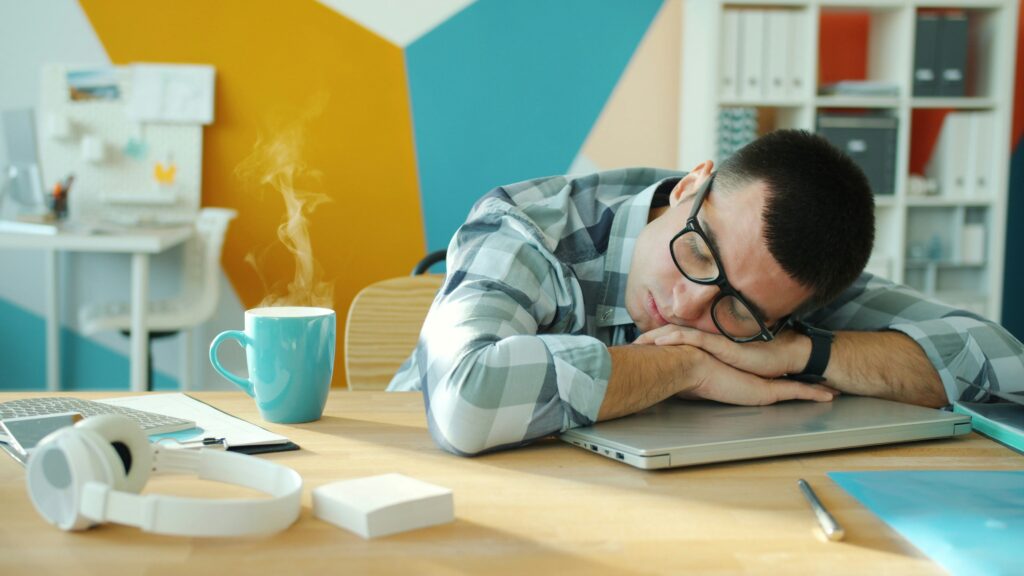
Sleep deprived – most people recognize the feeling instantly. Heavy eyes. Foggy thoughts. A short temper. But what many don’t realize is how deeply lack of sleep affects nearly every system in the body. Sleep is not just “rest.” It’s an active biological process that repairs cells, balances hormones, and keeps your brain and body functioning properly.
When you’re sleep deprived, the damage goes far beyond feeling tired the next day. Over time, poor sleep can disrupt your metabolism, weaken your immune system, affect mental health, and increase your risk of chronic disease. Yet, millions of people live in a constant state of sleep deprivation without fully understanding the consequences.
In this post, we’ll break down what really happens to your body when you’re sleep deprived, backed by science and explained in simple terms. You’ll learn the most important effects to watch for, why they happen, and what your body is trying to tell you when sleep is lacking.
Your Brain Slows Down and Loses Focus
One of the first systems affected when you’re sleep deprived is your brain. Sleep plays a critical role in memory, learning, and decision-making. Without enough rest, your brain simply can’t operate at full capacity.
When you don’t get enough sleep:
- Reaction time slows
- Focus and concentration drop
- Memory recall becomes weaker
- Decision-making becomes less reliable
Sleep deprivation reduces activity in the prefrontal cortex, the part of the brain responsible for logic, judgment, and impulse control. At the same time, emotional centers of the brain become more reactive. This explains why people who are sleep deprived often feel irritable, overwhelmed, or emotionally sensitive.
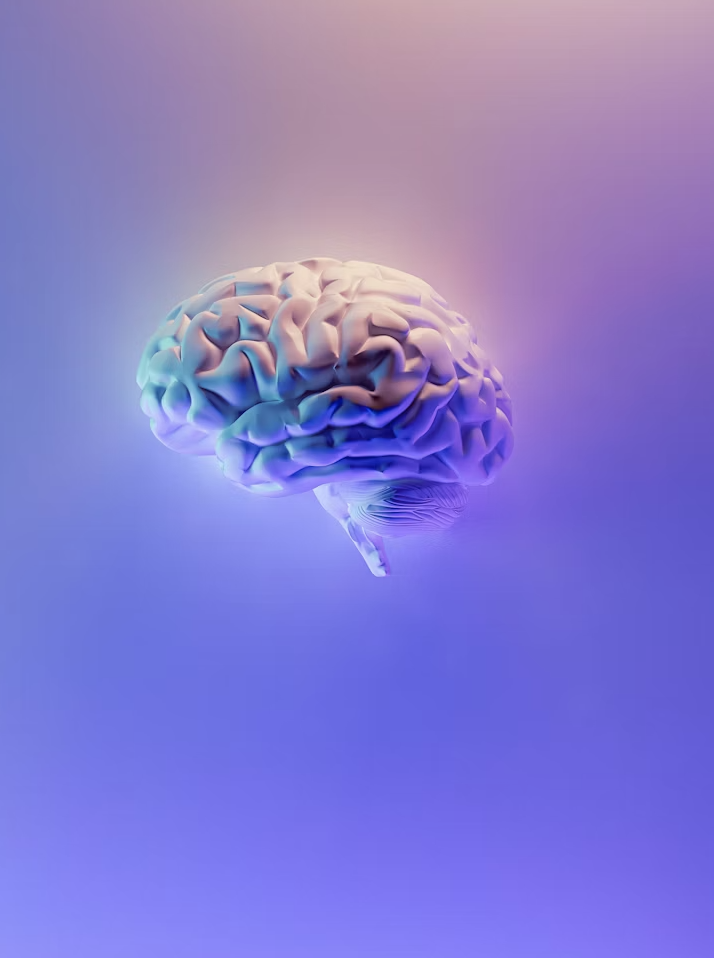
Even mild sleep loss can impair cognitive performance as much as alcohol intoxication. Over time, chronic sleep deprivation increases the risk of anxiety, depression, and burnout. In short, your brain needs sleep to reset, process information, and stay emotionally balanced.
Hormones and Metabolism Fall Out of Balance
When you’re sleep deprived, your hormone system takes a major hit. Sleep helps regulate hormones that control hunger, stress, growth, and blood sugar. Without it, balance is lost quickly.
Two key hunger hormones are affected:
- Ghrelin (the hunger hormone) increases
- Leptin (the fullness hormone) decreases
This combination makes you feel hungrier while also making it harder to feel satisfied. That’s why sleep deprivation is strongly linked to overeating and weight gain.
At the same time, insulin sensitivity decreases. This means your body struggles to manage blood sugar efficiently, increasing the risk of insulin resistance and type 2 diabetes over time.
Cortisol, the stress hormone, also rises when sleep is lacking. Elevated cortisol encourages fat storage, especially around the abdomen. These hormonal shifts explain why being sleep deprived often leads to cravings, low energy, and metabolic issues.
Your Immune System Becomes Weaker
Sleep is essential for a strong immune system. During deep sleep, your body produces protective proteins called cytokines that help fight infection and inflammation. When you’re sleep deprived, this process is disrupted.
As a result:
- Your body produces fewer immune cells
- Inflammation levels increase
- Recovery from illness takes longer
Research shows that people who are chronically sleep deprived are more likely to catch colds, viruses, and other infections. Vaccines may also be less effective in people who don’t sleep well.
Over time, low-grade inflammation caused by sleep deprivation contributes to chronic diseases such as heart disease, autoimmune conditions, and metabolic disorders. Sleep isn’t just rest – it’s one of your body’s most powerful defense tools.
Your Heart and Blood Vessels Are Under Stress
When you’re sleep deprived, your cardiovascular system works harder than it should. Sleep allows your heart rate and blood pressure to drop naturally, giving your heart time to recover. Without this recovery period, strain builds up.
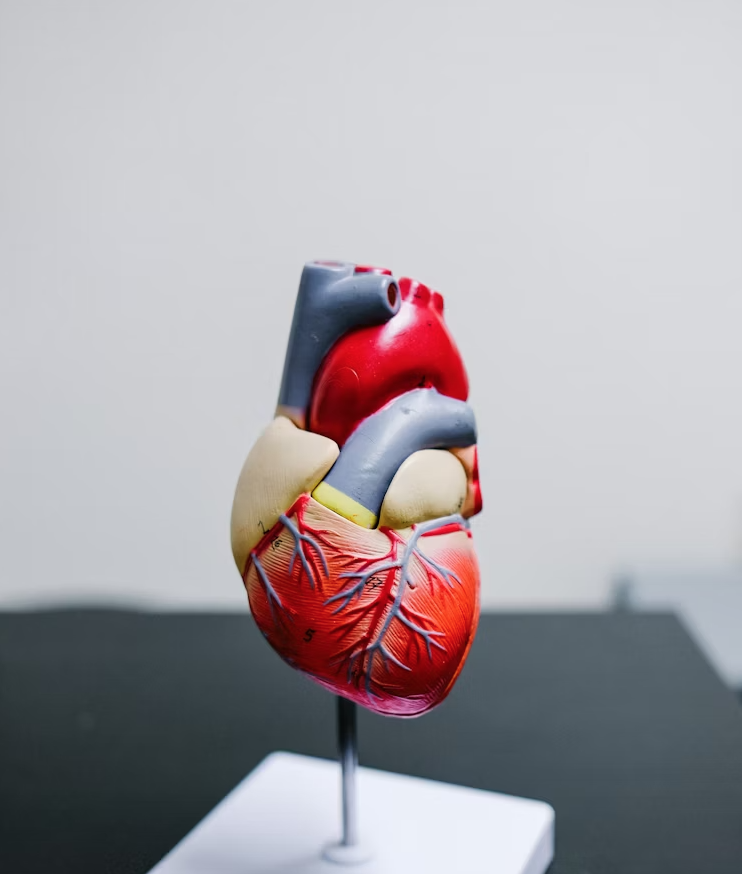
Sleep deprivation can lead to:
- Elevated blood pressure
- Increased heart rate
- Higher levels of inflammation
Over time, this increases the risk of serious heart-related conditions, including heart attack and stroke. Poor sleep is also linked to irregular heart rhythms and worsening cholesterol levels.
Even losing one to two hours of sleep per night can increase cardiovascular stress. For people with existing heart conditions, being sleep deprived can significantly worsen outcomes.
Mental Health and Emotional Stability Decline
Sleep and mental health are deeply connected. When you’re sleep deprived, emotional regulation becomes much harder. Small problems feel overwhelming, and stress becomes harder to manage.
Common emotional effects include:
- Irritability and mood swings
- Increased anxiety
- Lower stress tolerance
- Reduced motivation
Chronic sleep deprivation is strongly associated with depression and anxiety disorders. It also reduces the brain’s ability to cope with negative emotions, making people more reactive and less resilient.
Sleep is when the brain processes emotional experiences and resets stress responses. Without it, emotional overload becomes more likely, affecting relationships, work performance, and overall well-being.

Physical Performance and Recovery Suffer
If you’re sleep deprived, your physical performance will decline – even if you don’t notice it immediately. Sleep is essential for muscle repair, tissue growth, and physical recovery.

When sleep is lacking:
- Muscle recovery slows
- Strength and endurance decrease
- Injury risk increases
- Coordination worsens
Growth hormone, which supports muscle repair and regeneration, is released during deep sleep. Without enough sleep, your body struggles to rebuild itself after physical stress.
Athletes and physically active individuals often experience reduced performance when sleep deprived, but the same applies to everyday activities. Even simple tasks can feel harder when your body hasn’t fully recovered overnight.
FAQ: Sleep Deprivation Explained
How many hours of sleep do you need to avoid being sleep deprived?
Most adults need 7–9 hours of quality sleep per night. Consistently getting less than this increases the risk of becoming sleep deprived, even if you feel “used to it.”
Can you recover from being sleep deprived?
Yes, but recovery takes time. One good night helps, but chronic sleep deprivation often requires several nights or weeks of consistent, quality sleep to fully reset the body.
Is being sleep deprived worse than missing one night of sleep?
Yes. One poor night is manageable. Chronic sleep deprivation causes long-term damage to hormones, brain function, and cardiovascular health, making it far more harmful.
Conclusion
Being sleep deprived affects far more than your energy levels. It impacts your brain, hormones, immune system, heart, mental health, and physical performance. Over time, lack of sleep increases the risk of serious health problems and reduces overall quality of life.
The good news is that sleep is one of the most powerful and accessible tools for better health. Prioritizing consistent, quality sleep can improve focus, mood, metabolism, and long-term well-being.
If you’re feeling tired, foggy, or constantly stressed, your body may be asking for rest – not more caffeine or willpower. Listening to that signal and improving sleep habits can be one of the most impactful health decisions you make.
How many hours of sleep do you need to feel rested and energized? Let us know in the comments below!


How To Build a Perfect Evening Routine Backed By Research

4 Sleep Stages: What Happens in Each One
Shilajit: Benefits, Side Effects and How to Use It Correctly

Digital Detox: Reclaim Your Focus, Energy, and Peace of Mind

Melatonin vs Magnesium for Sleep: Which One is Better?

Top Health tech picks on amazon for christmas 2025
Which Magnesium Is Best? Benefits, Differences, and How to Pick the Right Type

Why Deep Sleep Is the Most Important Stage of Rest